Wisdom Teeth Removal Cypress
Ensuring Safety & Precision When Removing Extra Teeth
Dr. Koo, Dr. Shepard, and Dr. Beidas at Piney Point Oral & Maxillofacial Surgery in Cypress are no strangers to wisdom tooth removal. Treating patients between the ages of 16 and 21, their experience allows them to extract these unnecessary teeth safely and precisely, creating adequate space for a healthier smile. If your child is complaining of oral pain in the back of their mouth, schedule an appointment with our office and let us determine if wisdom teeth removal in Cypress is necessary.
Why Choose Piney Point Oral & Maxillofacial Surgery of Cypress for Wisdom Teeth Removal?
- State-of-the-Art Dental Technology Used to Promote Comfort & Efficiency
- Experienced Oral Surgeons Who Prioritize Patient Safety
- 400+ 5-Star Reviews from Satisfied Patients
Third Molars: Explained
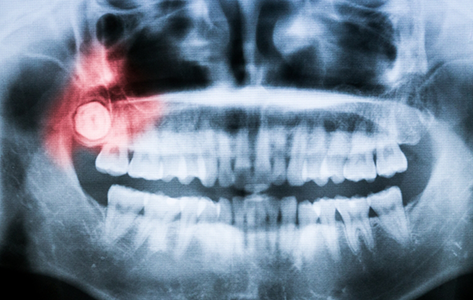
Wisdom teeth are also known as third molars, and these teeth were once essential to maintaining a healthy diet. Early human civilizations consumed dense game and uncooked vegetables and roots – foods that required the gnawing power of these teeth. Over time, though, diets changed, resulting in the narrowing of facial structures. As this happened, there became less available space for these molars to erupt – a problem that frequently causes partial eruption or impaction.
Reasons for Wisdom Teeth Extractions
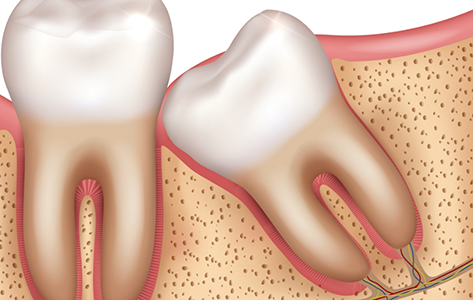
There is a good chance that one of our three oral surgeons will recommend wisdom teeth removal if:
- They are difficult to clean because of their orientation, increasing the risk of potential cavities
- They are impacted and pressing against nearby teeth, causing them to move
- They are pressing against a nerve that is causing pain or numbness in areas of your mouth
-
They are unable to fully erupt because they are impacted
Before Your Extractions: Pre-Operatory Tips

Before your wisdom tooth extraction, you can follow these helpful pre-operative tips to make sure you have a seamless and comfortable experience:
- Avoid eating or drinking anything at least six hours before your procedure.
- Buy soft foods before the day of your procedure so that your pantry and refrigerator are stocked when you arrive home.
- Make sure to brush and floss your teeth before leaving the house for your appointment.
- Make sure your children are properly cared for on the day of your procedure, as you will need to rest and avoid strenuous activity after you return home to recover.
-
Have someone ready to take you and pick you up from your appointment, as you will be sedated, and it will be unsafe for you to drive.
After Your Extractions: Post-Operatory Tips

Once your wisdom tooth extraction is over, you will need to make sure you heal successfully. Avoiding complications is important, so here are some post-operative tips your oral surgeon will provide:
- When returning home, get plenty of rest. Do not try to engage in any physical activity. Doing so will only make it harder for the blood clot(s) to form.
- Avoid smoking, sipping through a straw, or rinsing your mouth for at least 24 hours.
- If you’re experiencing pain, take medication as instructed. Use an ice pack to minimize swelling, applying it in 10-minute increments.
- Do not brush near the surgical sites for several days. Instead, rinse with warm saltwater after the initial 24 hours. This cleans your mouth and reduces discomfort and swelling.
If you notice pain is increasing or you develop a fever at any point during your recovery, call our office and alert our team. You may have an infection.
Wisdom Tooth Extractions FAQs
Why are wisdom teeth called that?
For something that causes so much trouble, wisdom teeth sure have a nice name! Their surprising moniker simply comes from the fact that they develop much later than all the other teeth, when a person is older and “wiser” than they were when the rest of their dentition came in.
Does everyone have wisdom teeth?
No, not everyone has wisdom teeth. One article, published in 2015, estimated that 5 – 37% of people are missing at least one wisdom tooth. Often, this is simply due to genetics.
Of course, keep in mind that if you do not see your wisdom teeth, that does not mean you do not have them. They often remain hidden beneath the gumline, so X-rays might be the only way to determine if they are present. Or, if you are young, they simply might not have started growing yet. Your general dentist can periodically take images to find out whether you have wisdom teeth and what their condition is.
How do you make wisdom teeth pain go away?
The only way to permanently get rid of wisdom teeth pain is to get them extracted. In the meantime, though, you can try some home remedies to reduce discomfort:
- Apply an ice pack to the side of your face for 20 minutes at a time. Do this every few hours to reduce swelling and produce a numbing effect.
- Take over-the-counter pain relievers, like ibuprofen, to reduce inflammation.
- Apply an over-the-counter numbing gel.
- Keep the area clean.
- Periodically rinse your mouth with warm salt water. (Simply dissolve 1 – 2 teaspoons of salt in 8oz of water and swish the solution around your mouth.)
- Avoid crunchy and hard foods, as well as any sticky foods that might get stuck around your wisdom teeth.
Is wisdom tooth removal painful?
Our Cypress team wants you to be comfortable during your wisdom tooth extractions. Not only do we apply a numbing agent, but we can also administer sedation. Depending on the details of your treatment plan, you might even feel as if you are sleeping through your procedure!
After any anesthesia and sedation wear off, you can expect to experience some soreness and swelling. Pain medications and rest can help to reduce discomfort. For most people, any lingering soreness subsides within a week or two. If you notice severe or unusual pain during your recovery, let us know right away.
What is the best age to get wisdom teeth removed?
Often, patients choose to undergo wisdom tooth removal during their teens or young adulthood. Generally, the procedure is easier and comes with a shorter recovery when it is performed around this age.
However, many mature adults undergo successful wisdom tooth removal every year. There is no upper age limit for the procedure, so if you are experiencing symptoms that might be related to your third molars, do not hesitate to get them evaluated.